Industrial spaces are often designed purely for function large open areas, high ceilings, and minimal internal finishes. However, as businesses grow and operations evolve, many warehouses, workshops, and industrial units require
adaptation to support modern workflows, staff welfare, and customer interaction areas.
An effective industrial fit-out can dramatically improve
efficiency, safety, and the overall working environment, but these projects require careful planning due to the unique challenges industrial buildings present.
At Creation Office, we regularly deliver
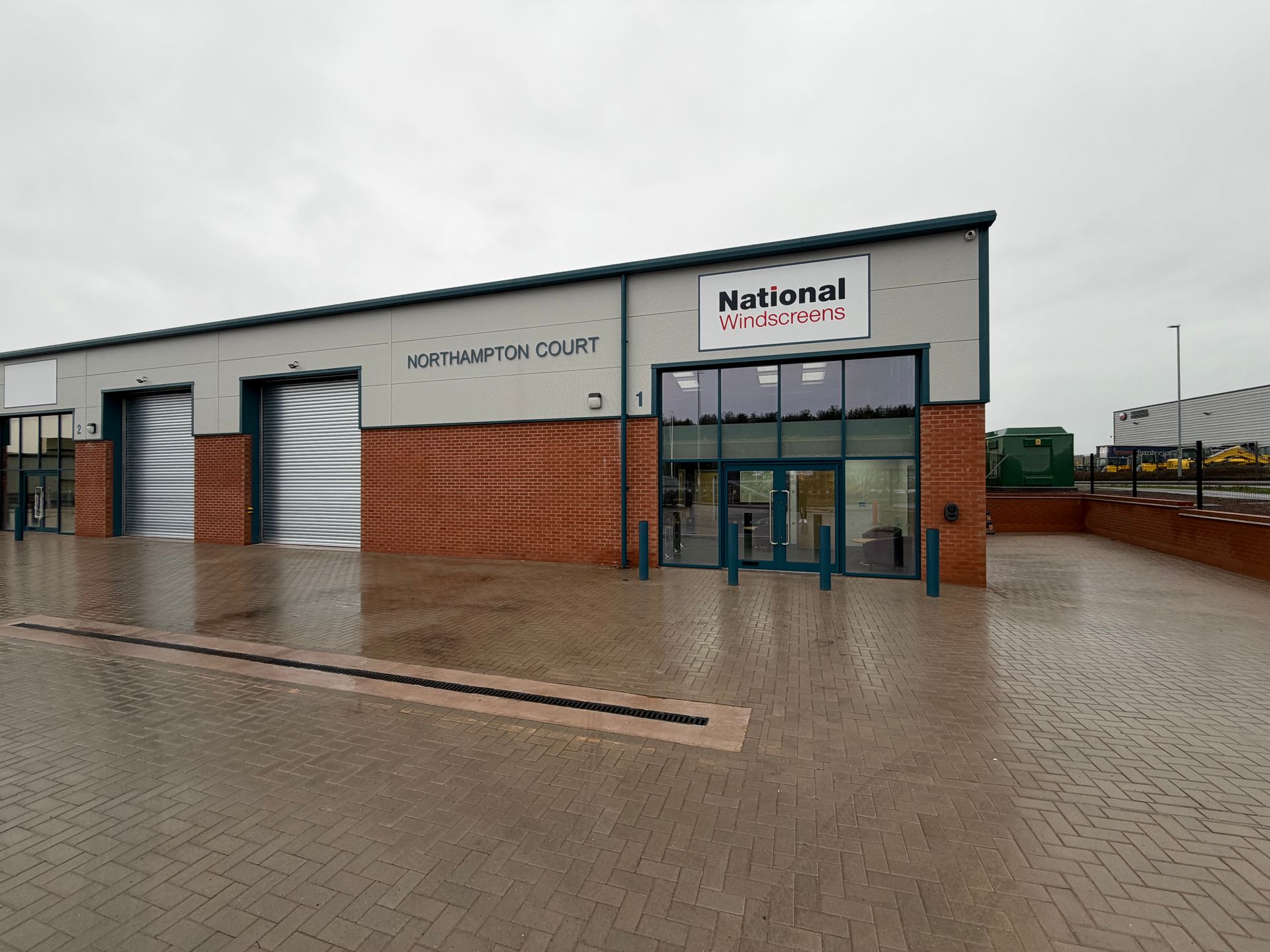
industrial workspace fit-outs across the UK, helping businesses transform basic warehouse spaces into
well-organised, efficient working environments.
Here are the key considerations companies should think about before starting an industrial fit-out project.
Understanding the Workflow of the Space
The first step in any industrial fit-out is understanding
how the business operates day to day.
Industrial environments typically involve multiple activities happening within the same building, such as:
• Production or workshop areas
• Storage and racking systems
• Dispatch and logistics zones
• Office or administration areas
• Customer or reception areas
• Staff welfare facilities
Without careful planning, these functions can easily clash, creating
inefficient layouts or safety risks.
A well-planned fit-out ensures that the space supports the natural workflow of the business, improving productivity and reducing operational bottlenecks.
Zoning the Building Correctly
Industrial buildings often require clear zoning between different activities.
For example:
•
Workshop zones for operational work
•
Office areas for management and administration
•
Customer-facing areas for visitors or service reception
•
Staff welfare areas such as kitchens, lockers and washrooms
Creating these zones can involve installing:
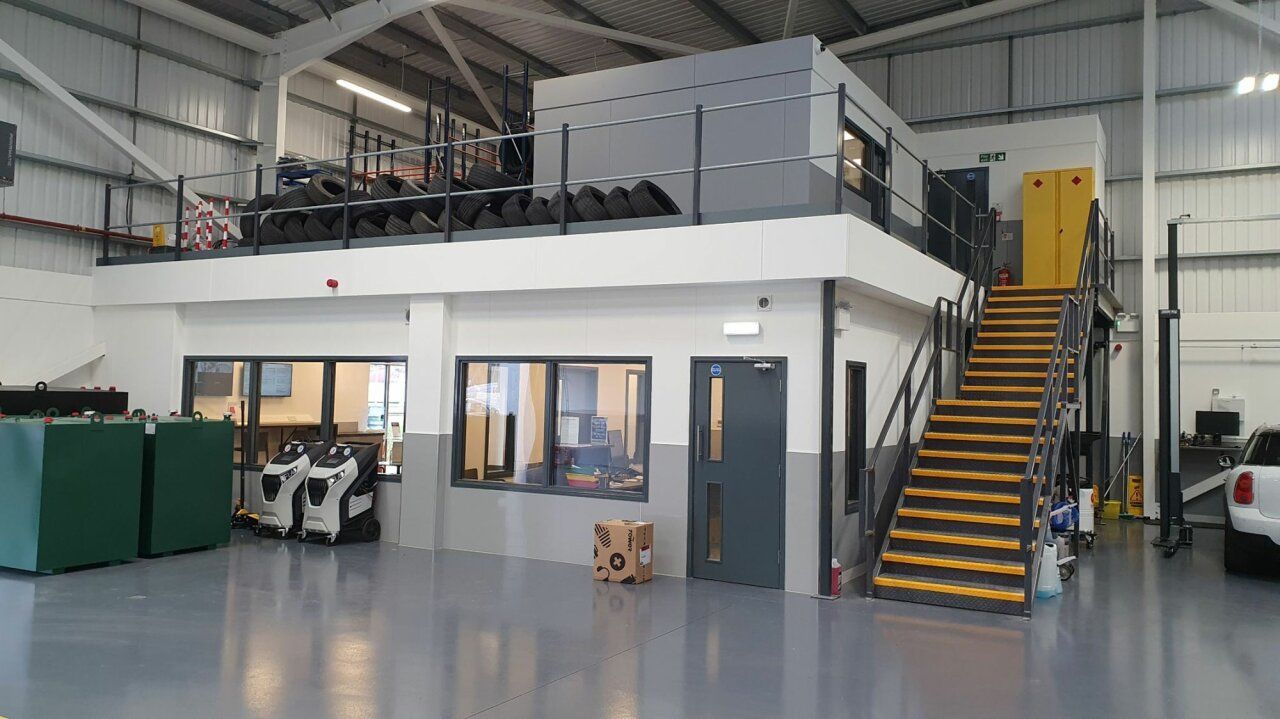
• Partition walls
• Glazed office fronts
• Acoustic meeting spaces
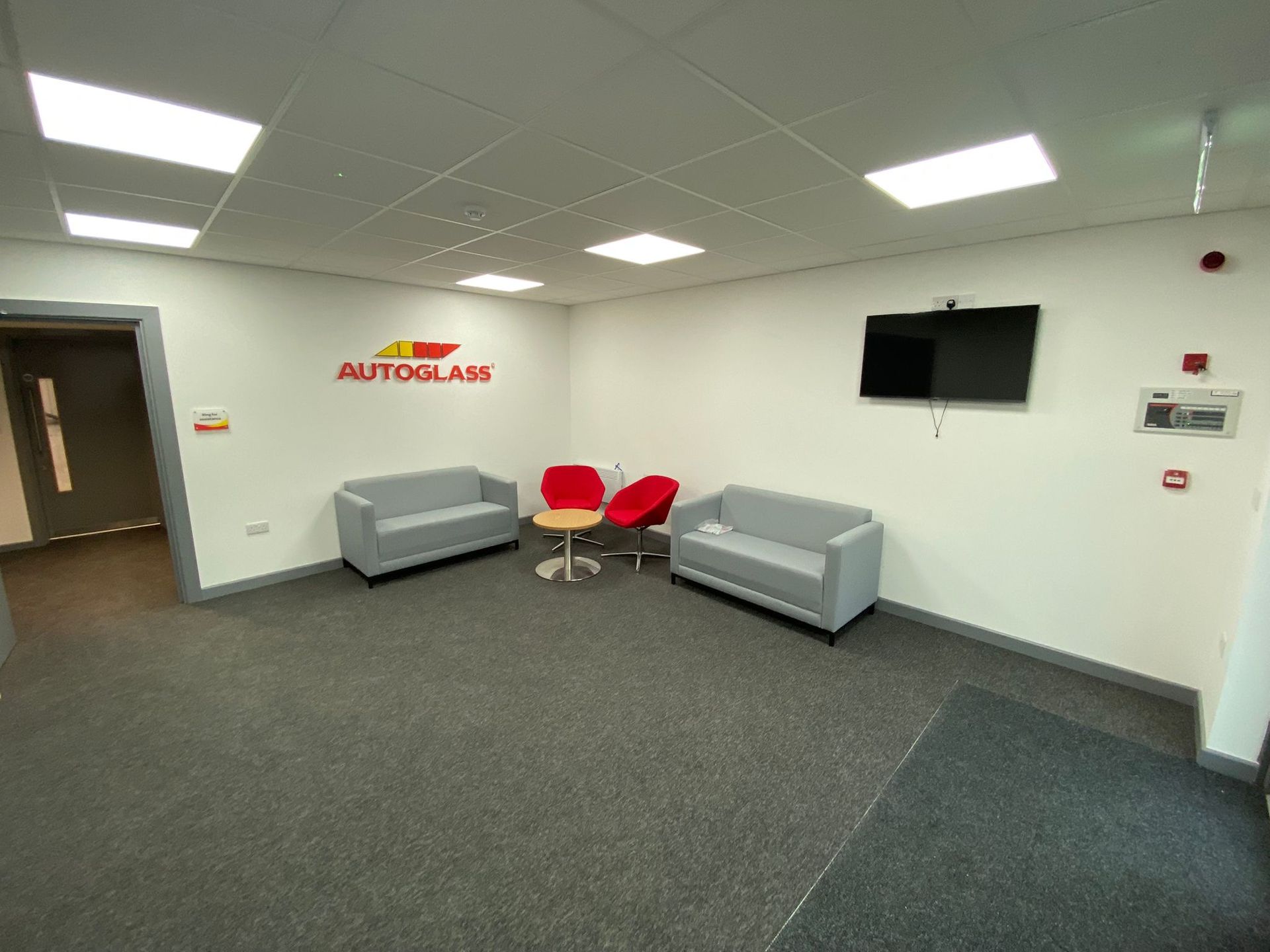
• Reception or customer waiting areas
Proper zoning improves
organisation, safety and overall professionalism, particularly for businesses that regularly welcome customers onto their sites.
Lighting and Visibility
Lighting is one of the most overlooked aspects of industrial fit-outs.
Many older industrial units still rely on
outdated fluorescent lighting or poorly distributed fixtures, which can lead to:
• Poor visibility
• Increased fatigue for workers
• Reduced productivity
• Higher energy costs
Upgrading to
modern LED lighting systems can significantly improve working conditions while also reducing operational energy costs.
In environments such as workshops or vehicle bays, achieving the correct
lux levels is essential to ensure safe and accurate working conditions.
Office and Administration Areas
Many industrial businesses require office spaces within their facilities for management, administration, or customer interaction.
These spaces should be designed to provide a
professional environment separate from the operational workspace, while still maintaining visibility of the workshop or warehouse areas where appropriate.
Common solutions include:
• Glazed partition offices overlooking workshop areas
• Small meeting rooms for staff or customer discussions
• Reception counters for customer-facing businesses
• Acoustic separation between office and operational spaces
This helps create a workplace that is
functional for operations but professional for visitors and staff alike.
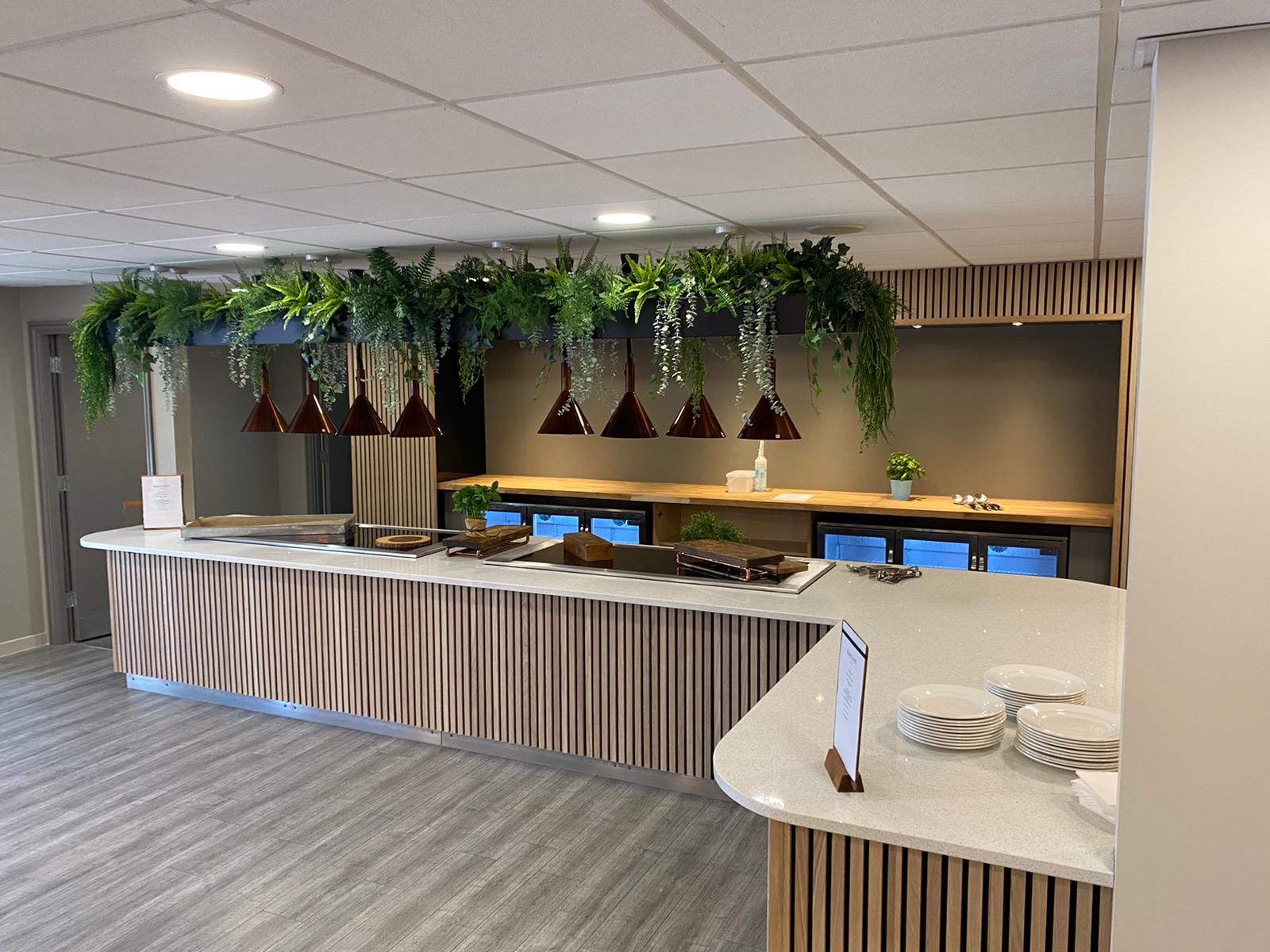
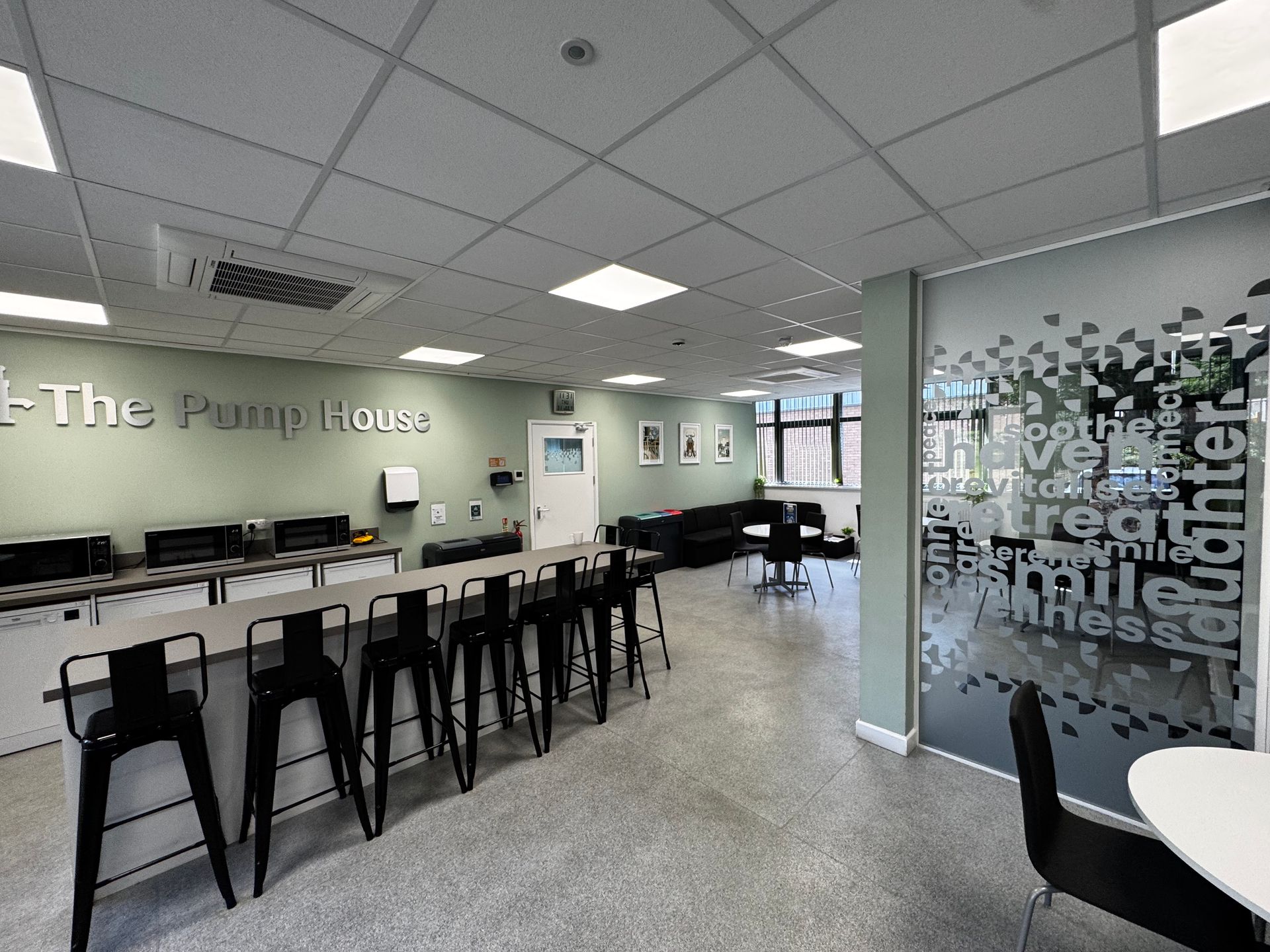
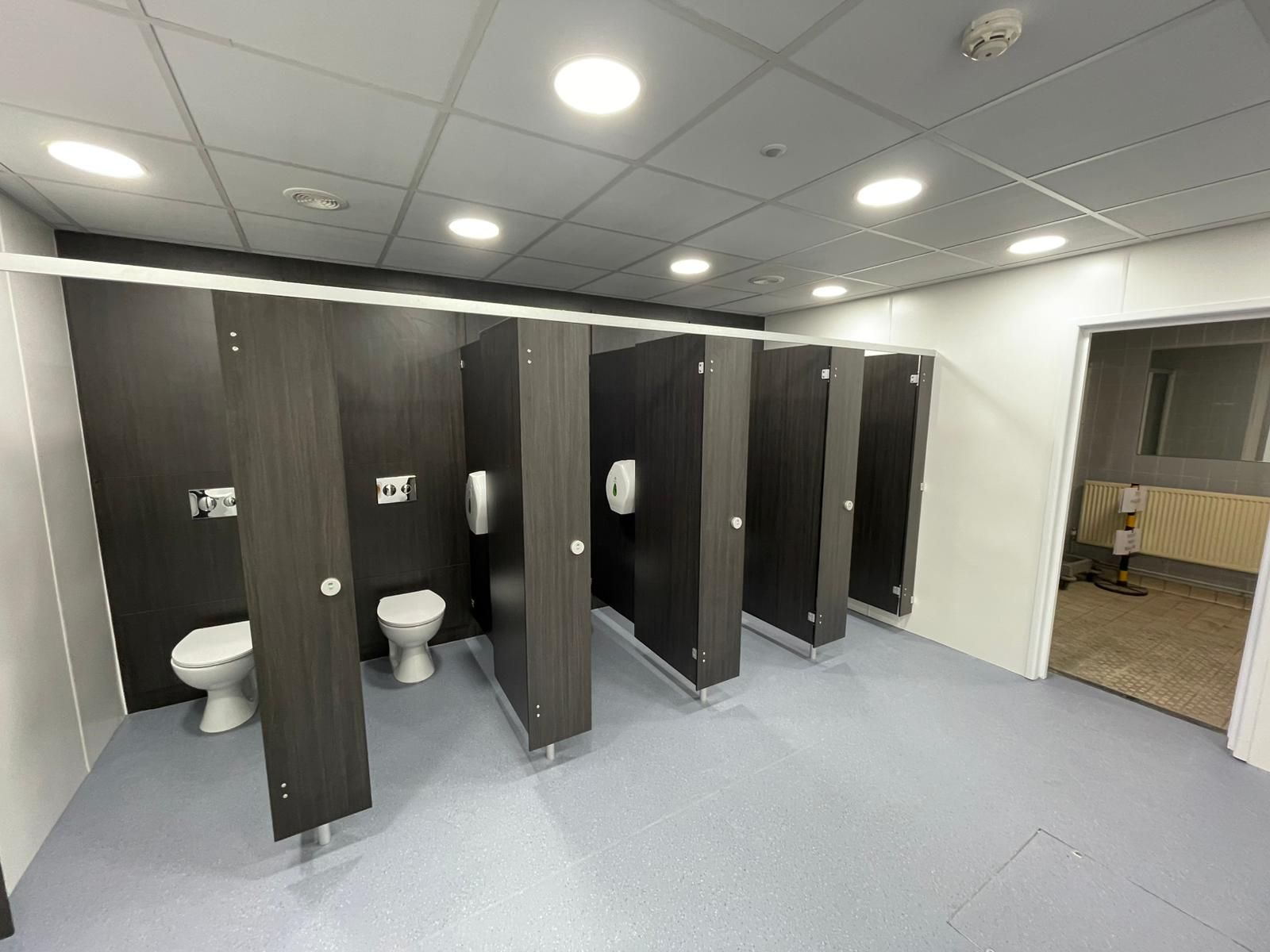
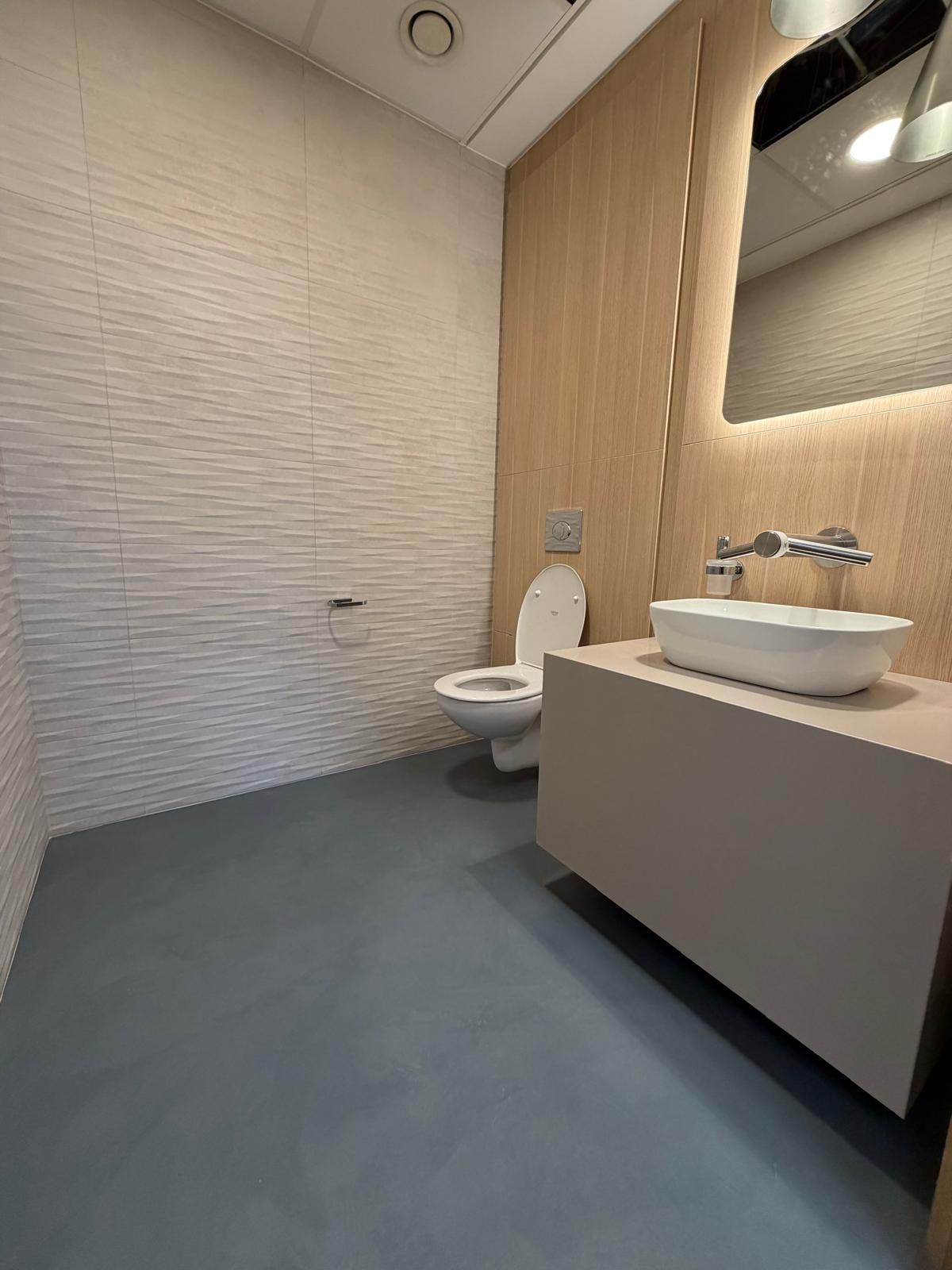
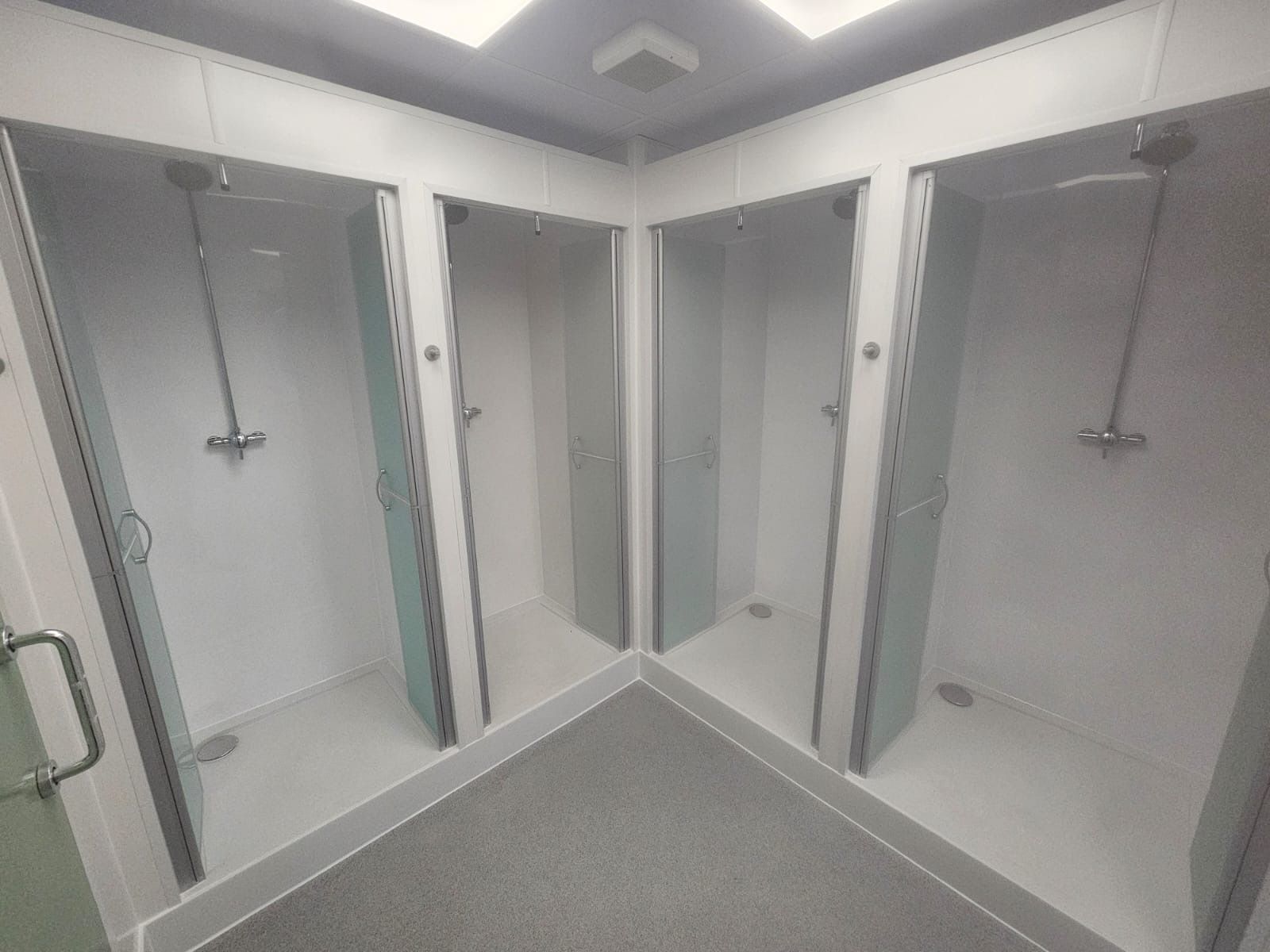
Staff Welfare Facilities
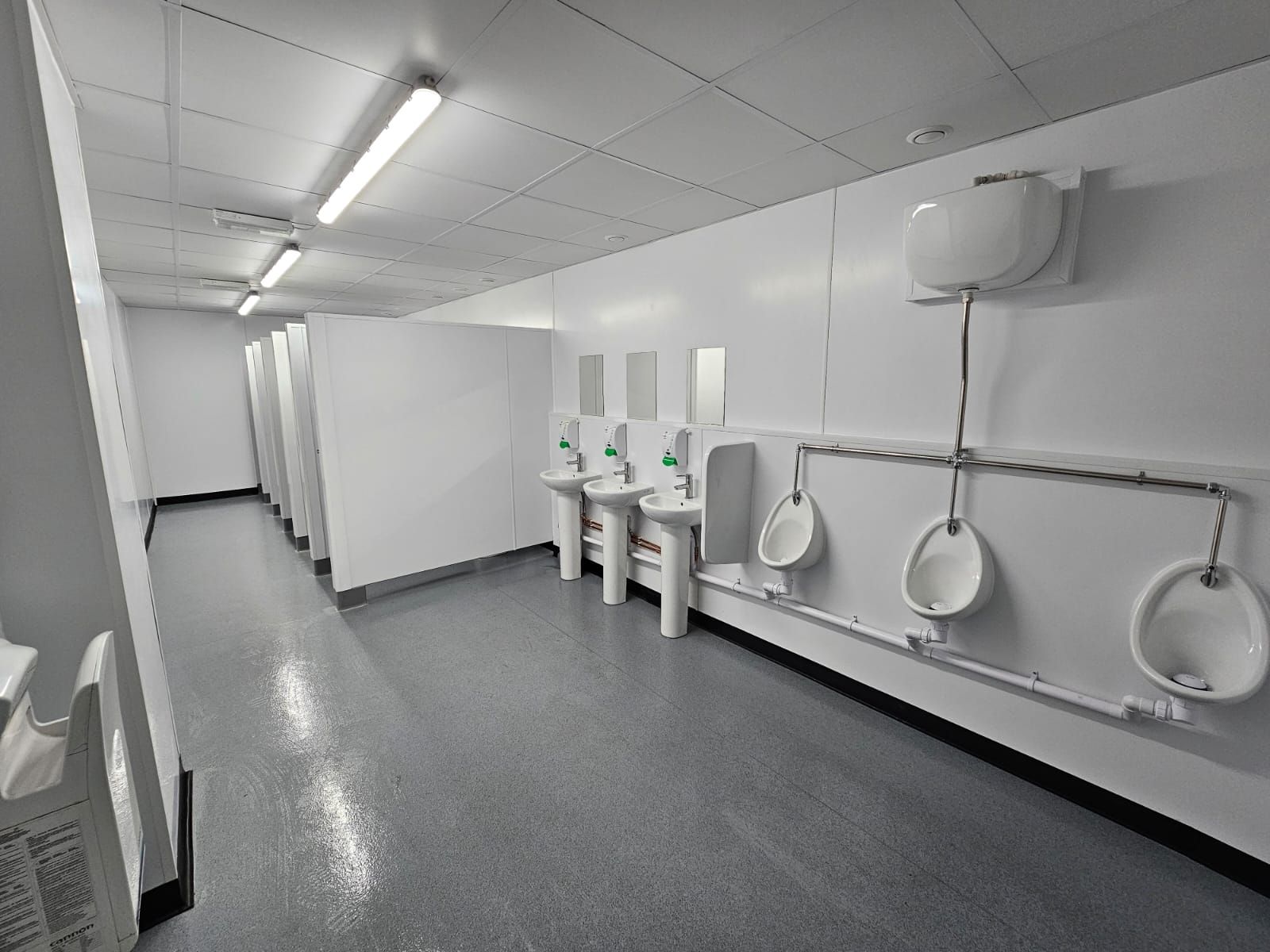
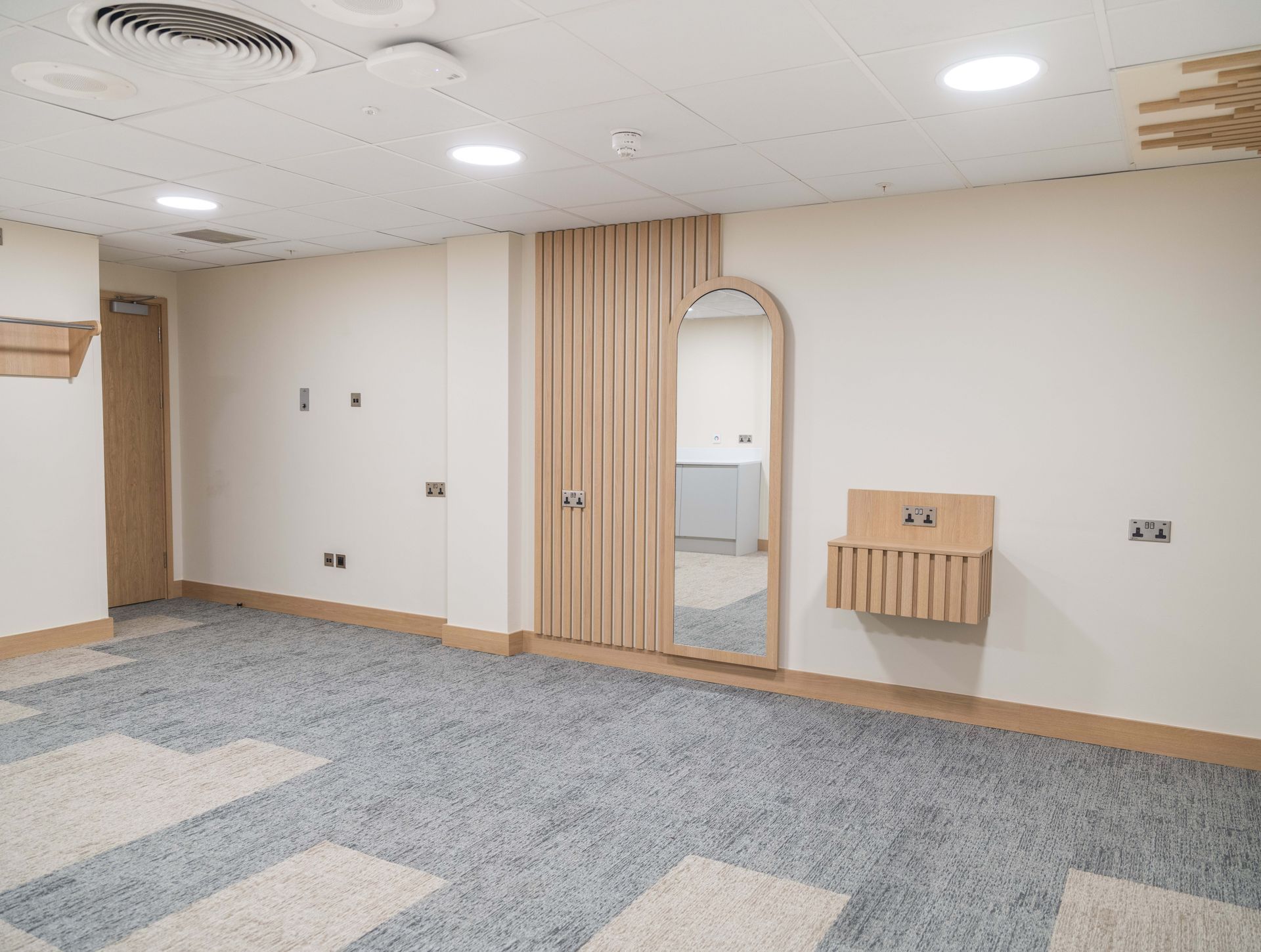
Modern workplace expectations mean staff welfare facilities are now a priority for many industrial businesses.
These typically include:
• Kitchens or breakout areas
• Washrooms and shower facilities
• Locker rooms
• Staff rest areas
Providing well-designed welfare spaces helps improve
staff morale, wellbeing and retention, particularly in industries where employees spend long hours on site.
Durability of Materials and Finishes
Industrial environments place much heavier demands on materials than typical office spaces.
Flooring, wall finishes and joinery must be selected to withstand:
• Heavy foot traffic
• Equipment movement
• Impact damage
• Frequent cleaning
Commercial-grade materials such as
heavy-duty flooring systems, durable wall finishes and robust joinery are essential to ensure the space continues to perform long after the project is completed.
Compliance and Safety Considerations
Industrial fit-outs must also meet important safety and compliance requirements.
Depending on the building and its use, this may include:
• Fire safety regulations
• Emergency lighting and signage
• Safe access and circulation routes
• Electrical compliance
• Building control approval for structural changes
Professional planning ensures these elements are considered from the beginning, preventing delays or costly changes later in the project.
Transforming Industrial Spaces into Productive Work Environments
Industrial buildings offer huge potential for businesses looking to create efficient operational environments. With the right planning and design approach, a simple warehouse or workshop can be transformed into a
well-organised, modern workspace that supports both productivity and professionalism.
At
Creation Office, we specialise in delivering
industrial and commercial fit-out projects across the UK, combining practical design, experienced trades, and strong project management to deliver high-quality results.
Whether you need to adapt an existing warehouse, create workshop facilities, or integrate office space within an industrial unit, our team can help guide the process from concept through to completion.
Planning an Industrial Fit-Out?
If you're considering adapting your workspace, you can get a quick estimate using our
Project Budget Calculator:
👉
https://www.creationoffice.co.uk/project-budget-calculator
Or contact our team to arrange a
site survey and consultation to discuss your project requirements.